
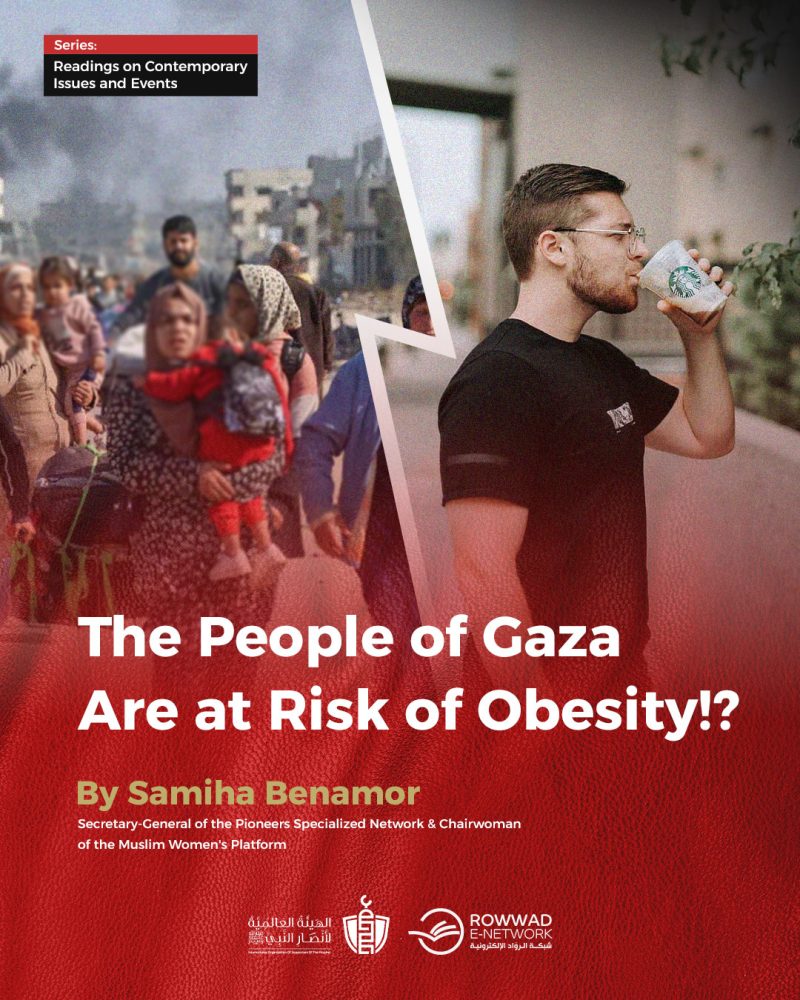
The Language of the Screens:
“Enjoy the
moment with your Starbucks coffee!”
“Coffee has no
flavor without Galaxy chocolate!”
And when it comes to a McDonald’s
sandwich, you’re bombarded with endless ads listing burger varieties, sauce
options, and quirky names—so many that you could spend a lifetime trying to
make sense of them all. Their obsession with branding and presentation far
outweighs any genuine focus on quality or distinction.
These same screens give you crash
courses and lengthy tutorials on makeup: its layers, types, techniques—daytime,
nighttime, summer, winter, solar, lunar—until you reach the dramatic finale:
the famous “Ghazala makeup look!”
And during holiday seasons, the
tone intensifies: a barrage of ads pushes “Eid outfits,” “Ahmed Al-Zamil’s
trending Eid cake,” and of course, makeup—not only for women but for men too!
Why not? If the goal is to stuff bank accounts and hoard profits, then all
limits vanish—everything becomes permissible.
And just like that, the mask
slips from the grotesque face of capitalism—the same system that floods us with
“outfits,” “makeup,” and “living the moment,” only to turn its back on humanity
when profit isn’t involved.
The hypocrisy is jarring. For a
fleeting moment, you might think these corporations care about people. But the
reality? They only care when it's profitable. They fuss over your “meaningful
coffee experience” with Starbucks, made even more “meaningful” by Galaxy
chocolate—now a staple at celebrations worldwide.
And yet, this very same human
being—supposedly at risk of obesity—is the one suffering under siege. Aid has
been cut off for over six weeks, border crossings are closed, bakeries have
halted production, flour has run out, and famine threatens hundreds of
thousands.
The bigger tragedy? People are
more emotionally attached to consumer brands than to a just cause that’s being
slaughtered in front of us, day after day.
As if the perfect makeup tutorial
matters more than the tears of a child searching for her mother under the
rubble—or a mother’s scream after losing her three children in one airstrike.
This is the culture of
consumption we were raised on: where companies funding occupation are seen not
as enablers of injustice, but as providers of comfort and “refined taste.”
As if Starbucks and McDonald’s
haven’t taken political stances or openly provided financial support.
What kind of shame is this—where
changing your habits feels harder than standing up for spilled blood and stolen
lives?





اكتب مراجعة عامة